
The GameStop Anniversary Tokenization Push

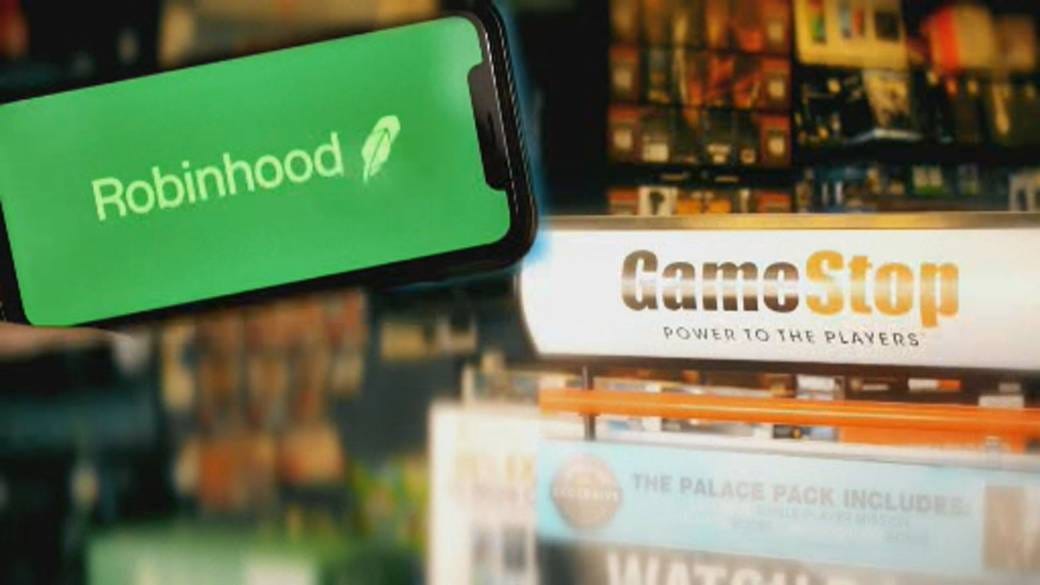
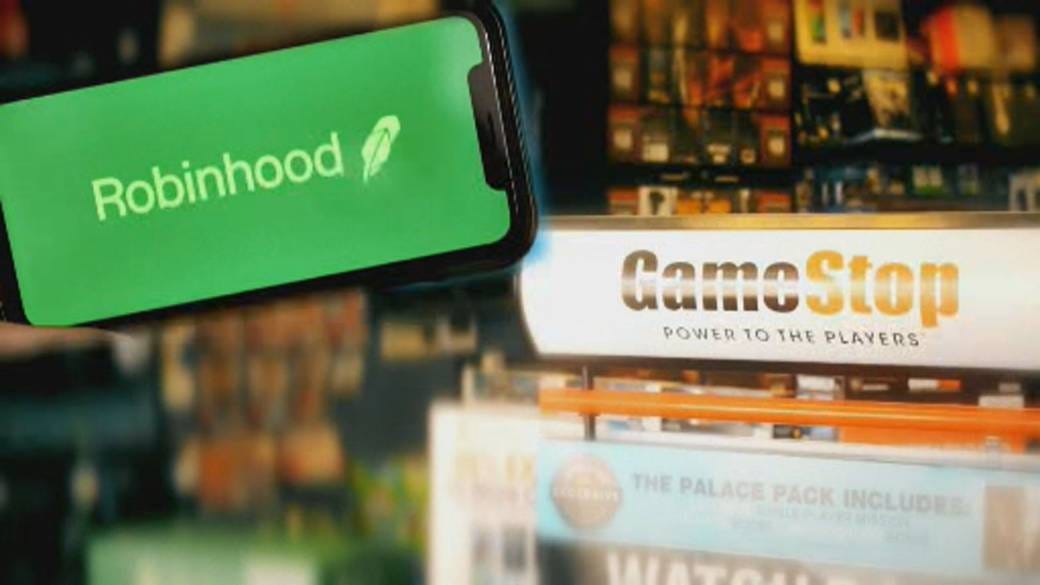
Yesterday, on the anniversary of that trading halt, Robinhood CEO Vlad Tenev posted a lengthy thread arguing that none of this would have happened if stocks traded on blockchain.
The argument goes like this: When you buy a stock, settlement takes T+1 (one business day). But “one business day” is doing a lot of work in that sentence. Buy a stock on Friday afternoon, and settlement might not happen until Tuesday. Buy before a long weekend, and you’re looking at four days. During those days, brokers have to post collateral to clearinghouses based on the volatility of the stocks their customers are trading. When GameStop went vertical in January 2021, that collateral requirement exploded, and Robinhood had to restrict trading while it raised emergency funds.

Tenev’s solution: tokenize everything. Put stocks on blockchain, settle in real-time, trade 24/7. Robinhood is already doing this in Europe, where they’ve tokenized over 2,000 U.S.-listed stocks complete with dividends. He called U.S. adoption “almost inevitable.”
The timing is interesting because the SEC released guidance on tokenized securities the same day. The message: tokenized securities are still securities, blockchain doesn’t change that, and existing investor protections apply. The SEC distinguished between “issuer-sponsored” tokenization (the company itself issues tokens representing shares) and “third-party sponsored” versions (someone else creates tokens backed by shares they bought).
That second category might be classified as security-based swaps in some cases; a reminder that putting something on blockchain doesn’t automatically make it simpler.
The practical reality is messier than the vision. The Information reported that the tokenized stocks sector is “increasingly reliant on a single brokerage”, California-based Alpaca, because few other broker-dealers want to touch the space. Projects like Ondo Finance, Kraken’s xStocks, and Dinari all route orders through Alpaca. That’s not exactly the decentralized future the crypto crowd imagines.
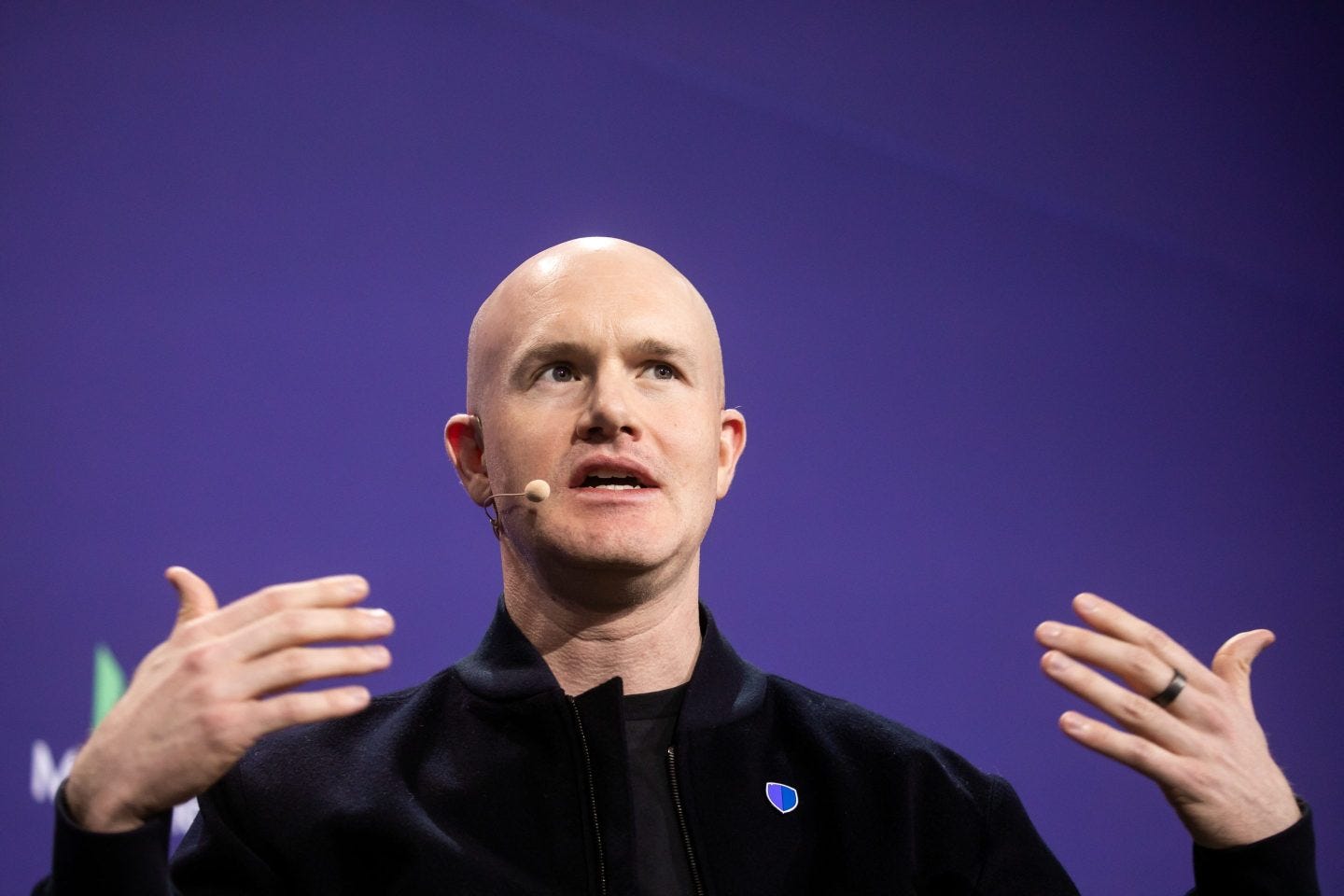
Still, the directional bet is clear. Coinbase CEO Brian Armstrong made similar arguments about tokenization in January. BlackRock’s 2026 outlook predicts growth in tokenized assets.
Congress is working on the CLARITY Act to provide regulatory frameworks. And Wall Street firms are meeting with the SEC’s crypto task force—though reportedly to raise concerns about an “aggressively pro-crypto agenda” rather than to cheer it on.
The GameStop saga was, in retrospect, a stress test that exposed real infrastructure problems. Whether tokenization is the right fix or just a shinier version of the same pipes remains to be seen. But five years later, the CEO who had to halt trading is making the case that blockchain could have prevented the whole mess.
That’s quite the anniversary reflection.
Roundup
Fidelity Enters the Stablecoin Race — Fidelity Investments is launching its own stablecoin, the Fidelity Digital Dollar (FIDD), on Ethereum in the coming weeks. It’ll be backed by cash, cash equivalents, and short-term U.S. Treasuries, with daily reserve disclosures and regular audits. The issuer is Fidelity Digital Assets, which recently got conditional OCC approval. FIDD is designed to comply with the GENIUS Act and support 24/7 institutional settlement. Another asset management giant deciding that stablecoins are too important to leave to Circle and Tether.
Uniswap Rethinks Token Launches — Uniswap is rolling out “Continuous Clearing Auctions“ on its main frontend, fundamentally changing how new tokens launch. Instead of the traditional liquidity pool approach where early buyers get the best prices (and bots front-run everyone), CCAs use Dutch auction-style mechanics to find fair prices. It’s an attempt to fix the token launch meta that’s been plagued by snipers, MEV, and general chaos.
Hong Kong Tokenizes Gold ETFs — Hang Seng Bank launched a gold ETF with Ethereum-based tokenized units. It’s part of Hong Kong’s push to be the Asia-Pacific hub for tokenized assets.
WisdomTree Goes Multi-Chain — Asset manager WisdomTree extended its full suite of tokenized funds to Solana, adding to its existing presence on Ethereum. These are actual regulated investment products, now available on a second blockchain. The multi-chain strategy suggests WisdomTree thinks the blockchain wars won’t produce a single winner, at least not for institutional products.