
🧪 TEST: Leviathan News Daily Digest - November 19, 2025

🧪 TEST EMAIL - ADMIN PREVIEW
This is a preview of what subscribers will receive in 1 hour
📊 Crypto Trading Signals
November 19, 2025
Squid Digest - AI-powered insights for crypto natives
🔥 Top Stories

🎯 Trading Signals
Crypto-Backed Debt Ripping to ATH—But This Time It's Different
The headline that should grab your attention: crypto-backed debt just smashed an all-time high in Q3 2025, and the kicker is that this isn't the degen leverage festival of 2021. This is institutional-grade borrowing infrastructure actually working.
What's really happening here is a fundamental shift in how crypto debt functions. We've gone from isolated margin trading blowups and exchange-collateralized loans to onchain lending apps dominating 80% of the market. That's not just a number—that's a structural change. These apps are transparent, auditable, and settlement-final. When someone gets liquidated, it happens on-chain and everyone can see it. The 2021-22 cycle was hidden leverage bombs waiting to detonate. Now? It's all in the open.
This matters because it signals institutional confidence in onchain infrastructure. When traditional finance players start using decentralized lending protocols to borrow against their crypto positions, it means the plumbing actually works. More importantly, it means we're hitting a scale where credit markets are functioning like real markets—not casinos with hidden debt.
The Infrastructure Play Nobody's Talking About Enough
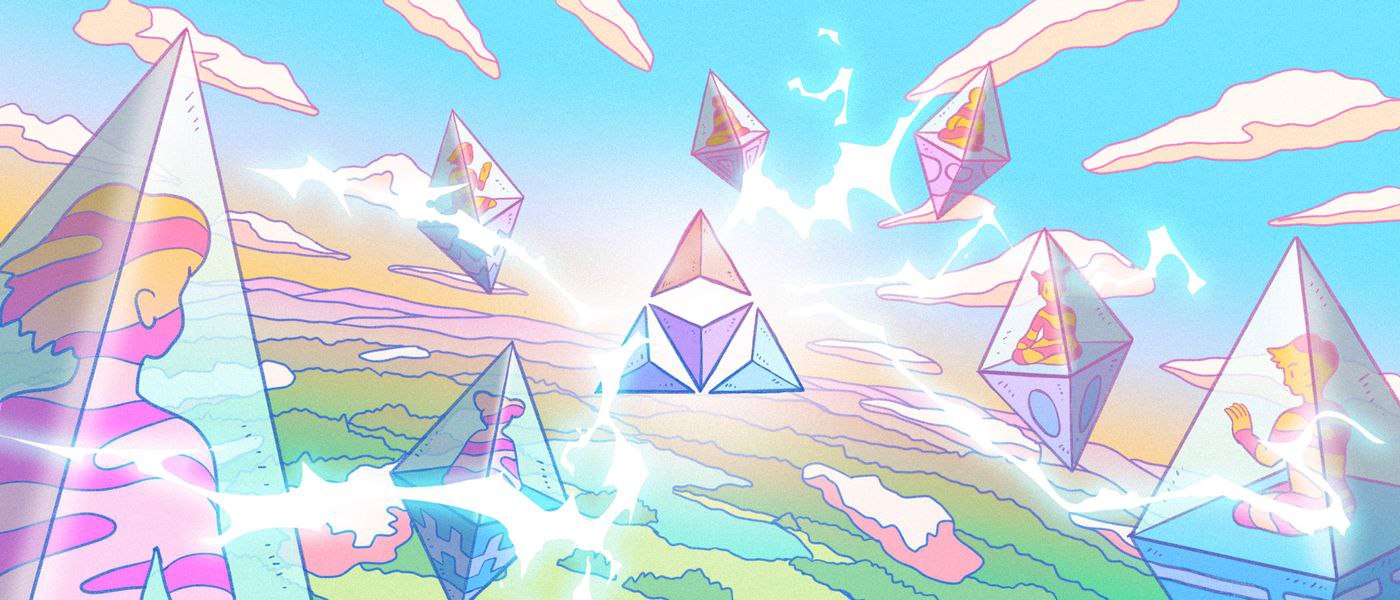
While everyone's watching price action, three stories are quietly reshaping what Ethereum is. The Ethereum Foundation just proposed an Interop Layer to reduce L2 fragmentation via ERC-4337 account abstraction. Curve is releasing quarterly progress reports on cross-chain capabilities. And Balancer just dropped its post-mortem on the November 3 exploit.
Here's the throughline: fragmentation is becoming a feature, not a bug. The Ethereum roadmap has shifted from "one chain to rule them all" to "a unified ecosystem of interoperable rollups." ERC-4337 account abstraction means users don't need to worry about which chain they're on—the wallet layer abstracts it away. Curve strengthening cross-chain capabilities means your liquidity isn't trapped on one L2. Balancer's willingness to publicly dissect their exploit shows a maturing security culture where transparency builds confidence, not destroys it.
The real alpha here: infrastructure plays that solve cross-chain UX are about to become venture-backed obsessions. This is the narrative before the altseason narrative fully kicks off.
The Tokenization Gauntlet Begins
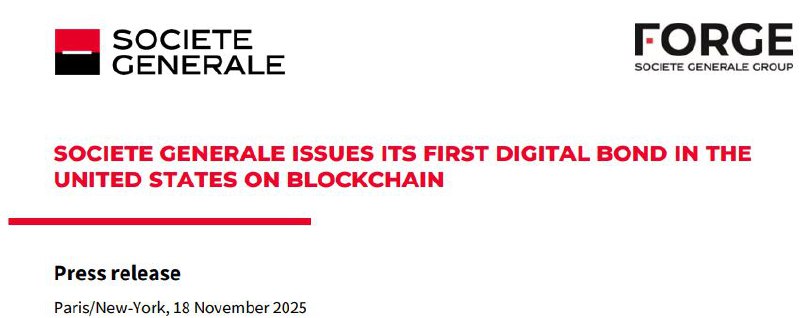
Societe Generale just dropped the first institutional digital bond in the US on blockchain using Broadridge's tokenization tech on the Canton Network. This is the "enterprise blockchain" play that actually matters.
This isn't hype. When a €100+ billion institution with centuries of regulatory history issues debt on-chain, it's signaling that the compliance and settlement frameworks are battle-tested enough for real capital. The Canton Network—a permissioned blockchain for financial institutions—is quietly becoming the infrastructure layer for what TradFi actually needs. This is the boring, unglamorous work that creates trillions of dollars in value.
Watch for more traditional finance institutions following. When the first one moves, the rest stop asking "should we?" and start asking "how fast can we?"
Disclaimer: Trading strategies generated by AI, which is wrong about everything, so you'd have to be a complete knucklehead to take financial advice from one!
Generated by Squid Digest - AI-powered trading signals for crypto natives
Powered by Leviathan News & Perplexity AI